TecnoAlquimia (2024 - ¿?)
Tecnochamanismo – Cibercultura – Extractivismo – Neomaterialismo - Re-encantamiento
El proyecto artístico Tecnoalquimia propone un re-encantamiento político de la tecnología digital. Lejos de la visión que opone magia y técnica, esta investigación-creación parte de una arqueología material: desentierra los minerales—litio, cobre, coltán—que, extraídos del sur global, conforman la presunta "inmaterialidad" de nuestros dispositivos. Frente al extractivismo y la obsolescencia programada, la práctica artística opera como un hackeo alquímico, interviniendo circuitos y resignificando desechos tecnológicos (medios zombis) para desviar su curso instrumental. A través de instalaciones y dispositivos que funcionan como artefactos rituales, Tecnoalquimia indaga en las narrativas místicas de la técnica —del telégrafo espiritista al tecnochamanismo en raves— para activar nuevas experiencias comunitarias. La obra no busca explicar la tecnología, sino celebrar su potencia simbólica, abriendo caminos hacia una tecnodiversidad donde la materia "inerte" recobra su agencia mágica y política.
En.
The artistic project Tecnoalquimia (Techno-alchemy) proposes a political re-enchantment of digital technology. Far from the view that opposes magic and technics, this research-creation begins with a material archaeology: it unearths the minerals—lithium, copper, coltan—which, extracted from the Global South, constitute the presumed "immateriality" of our devices. In the face of extractivism and planned obsolescence, the artistic practice operates as an alchemical hack, intervening in circuits and re-signifying technological waste (zombie media) to divert their instrumental course. Through installations and devices that function as ritual artifacts, Tecnoalquimia delves into the mystical narratives of technics—from spiritualist telegraphy to techno-shamanism in raves—to activate new communal experiences. The work does not seek to explain technology, but to celebrate its symbolic potency, opening paths towards a technodiversity where "inert" matter regains its magical and political agency.
Fase 1: (Re)Colección
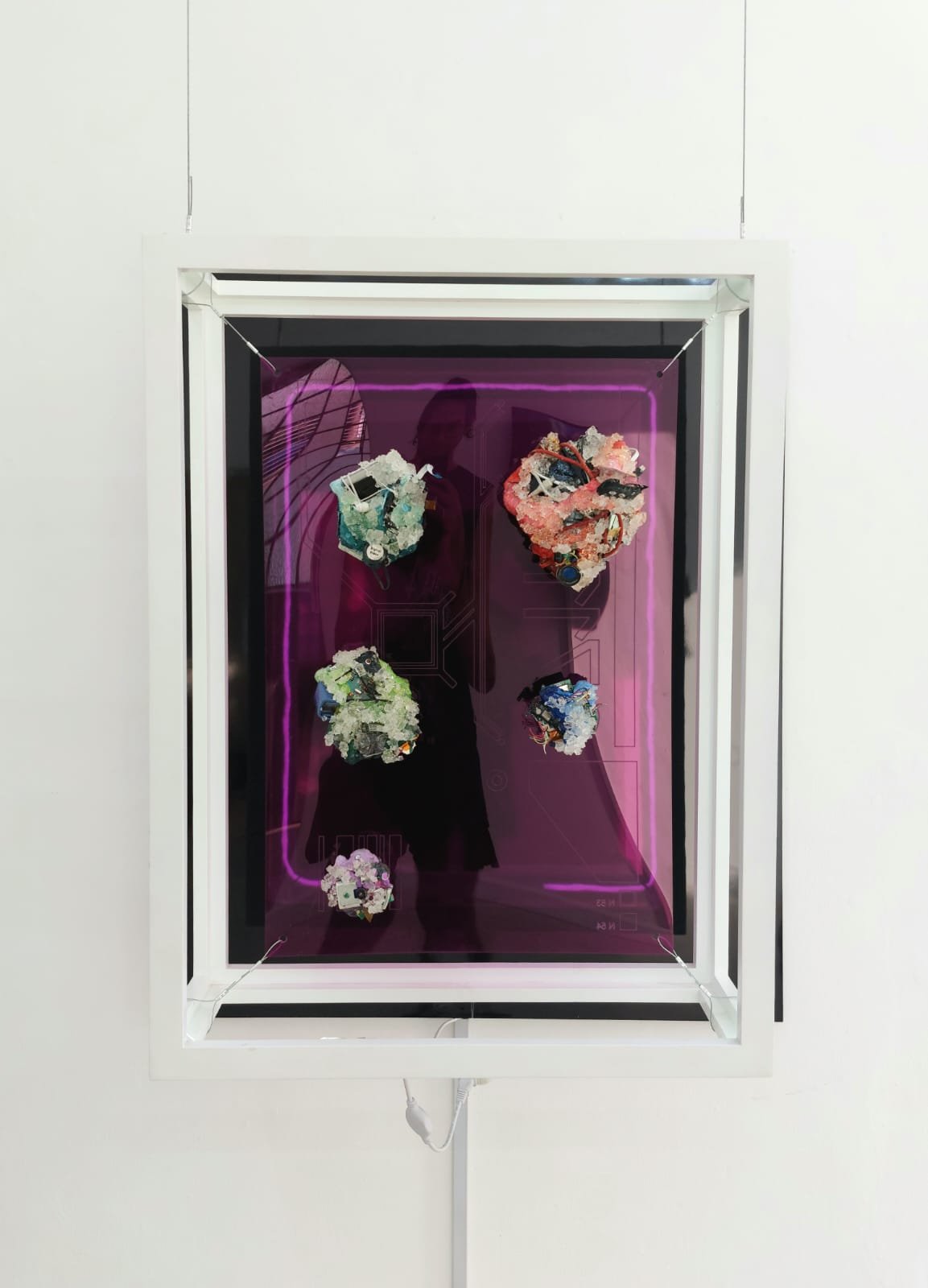
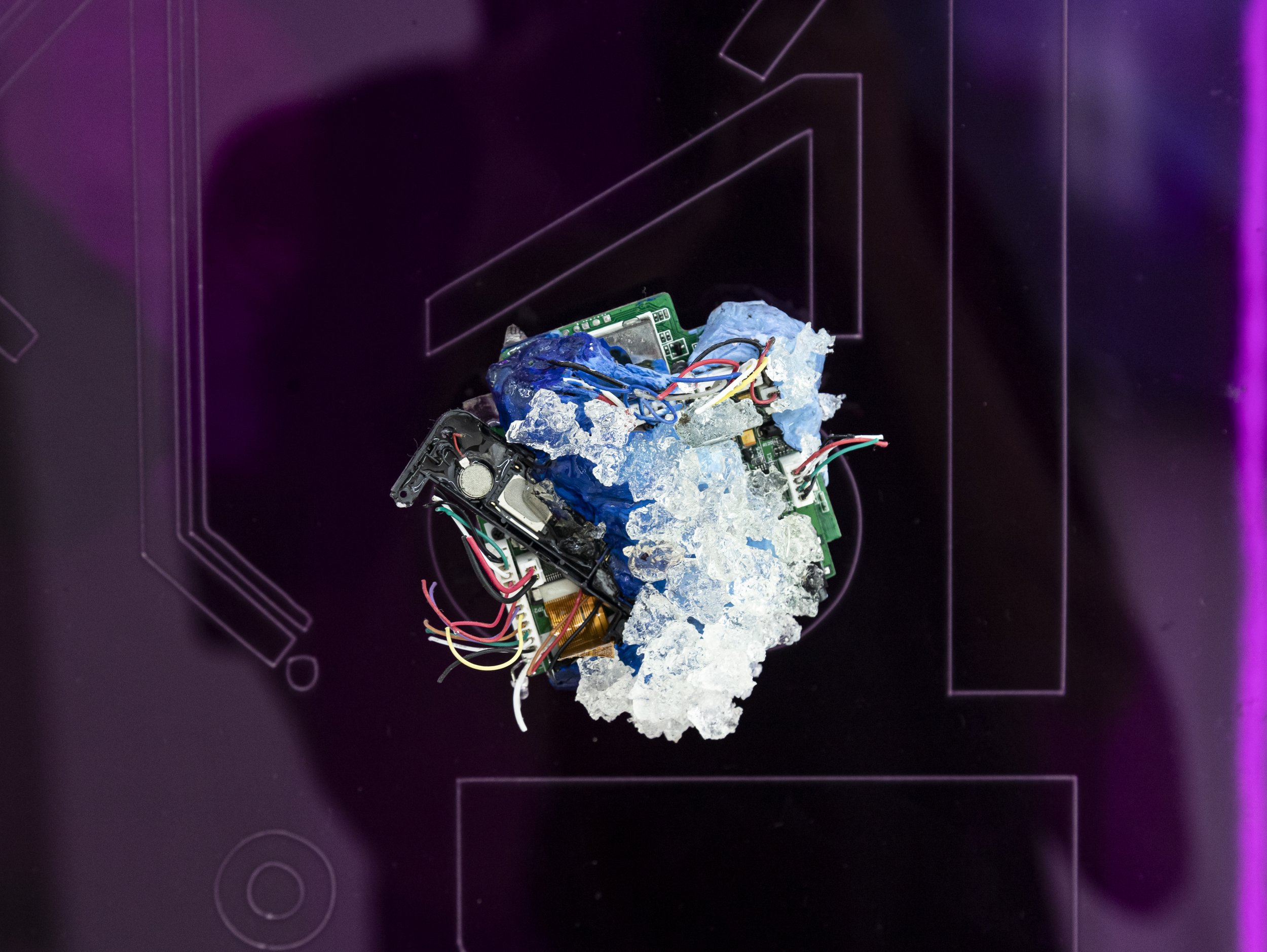
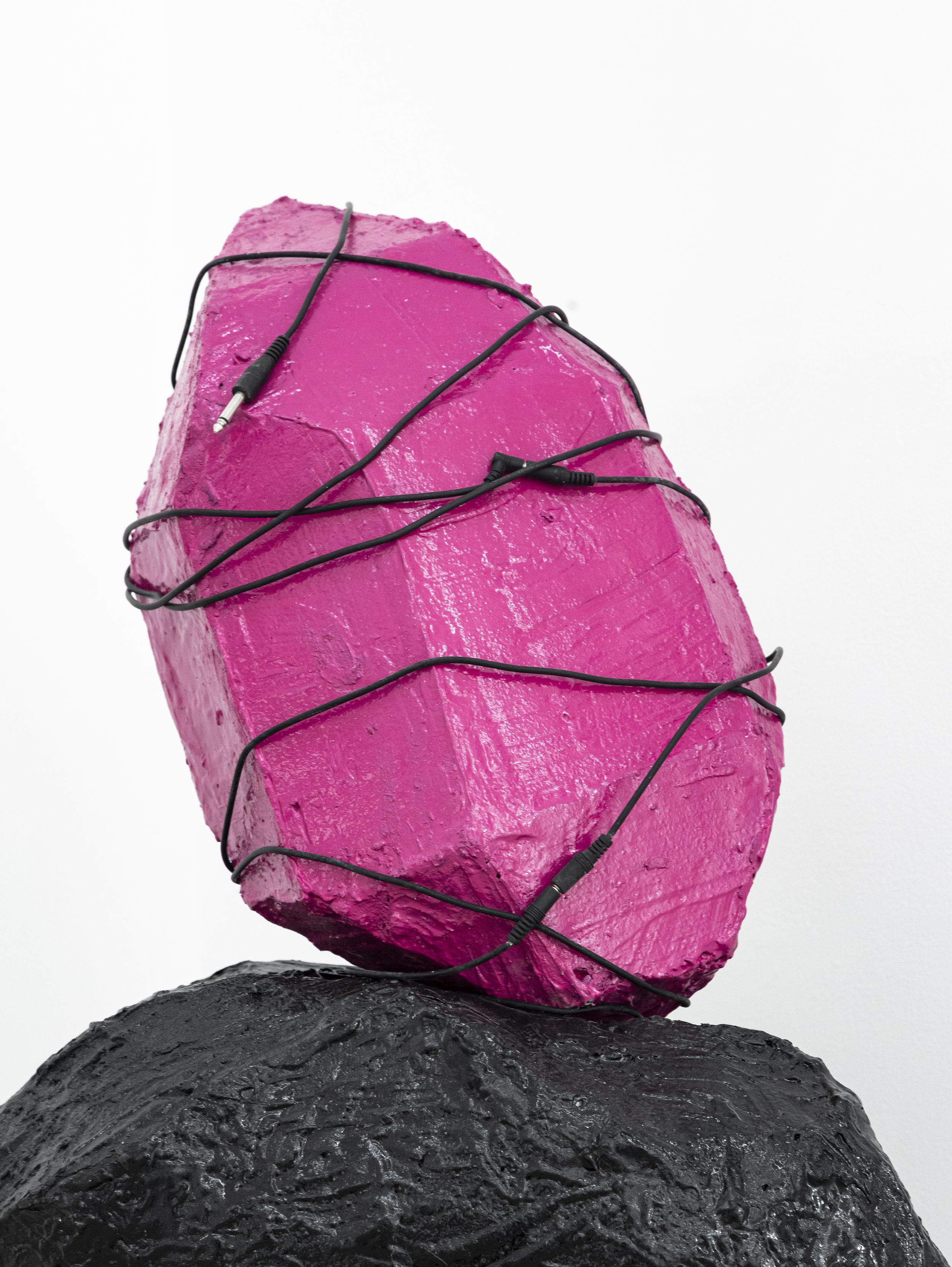
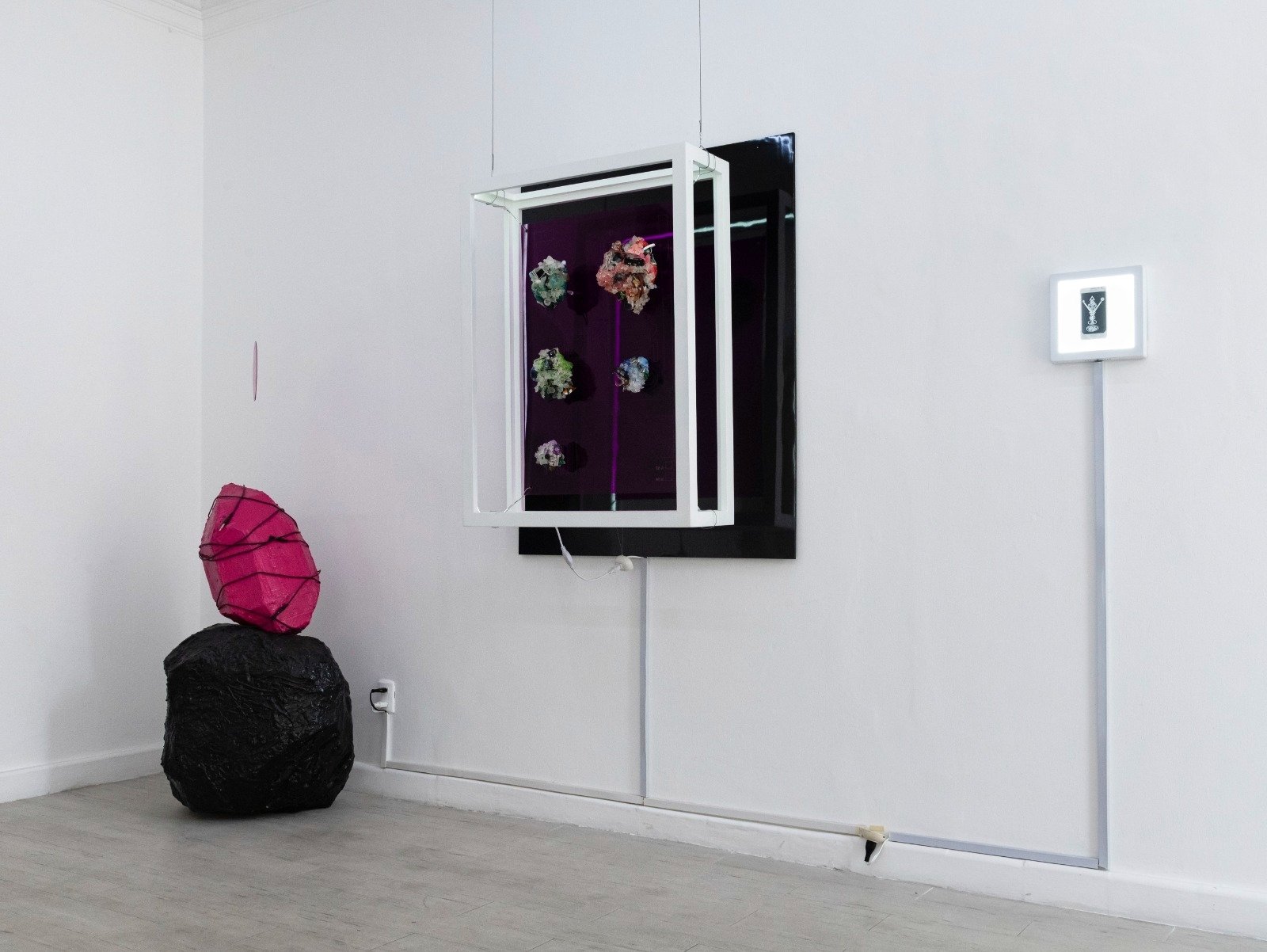
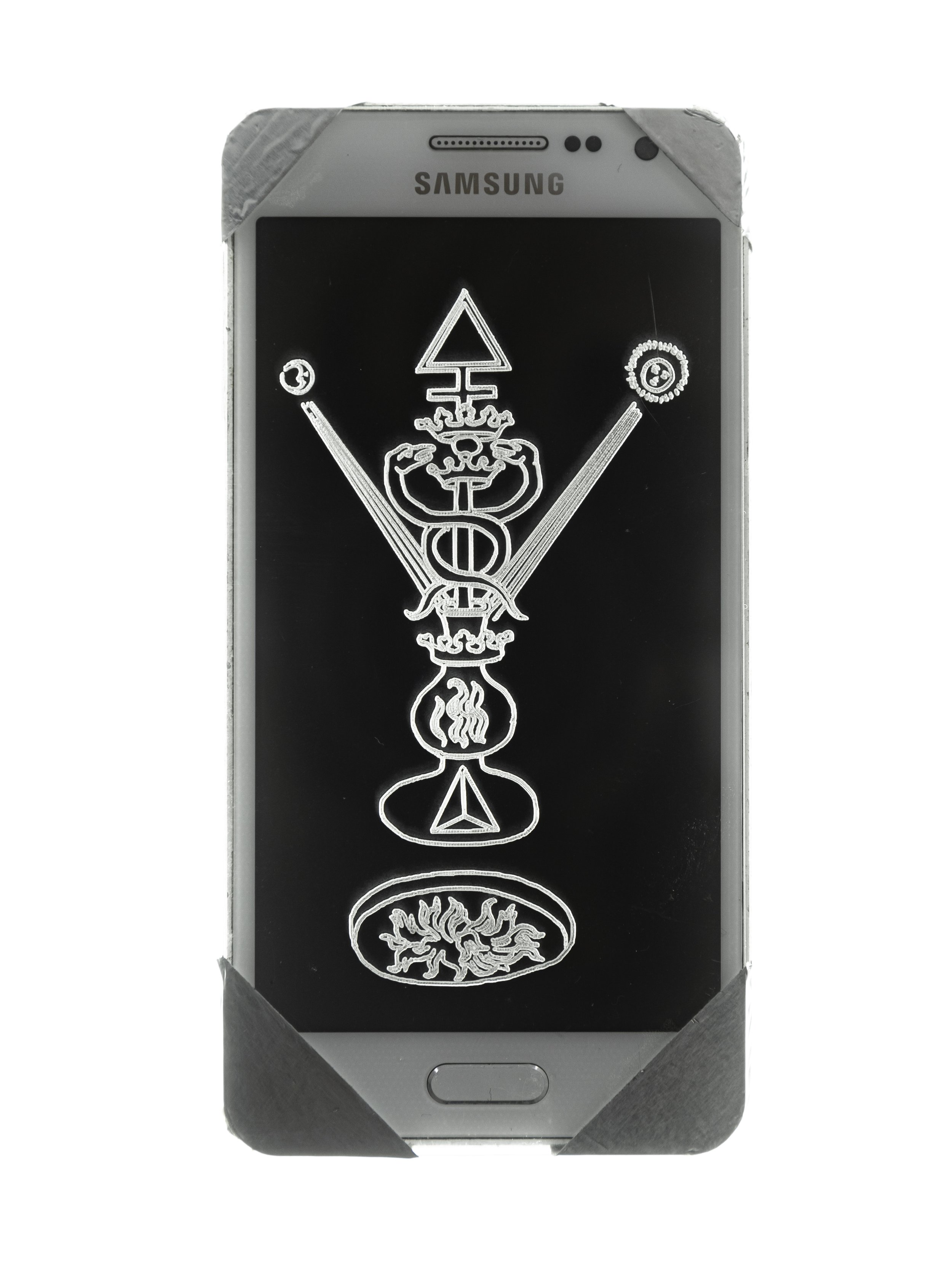
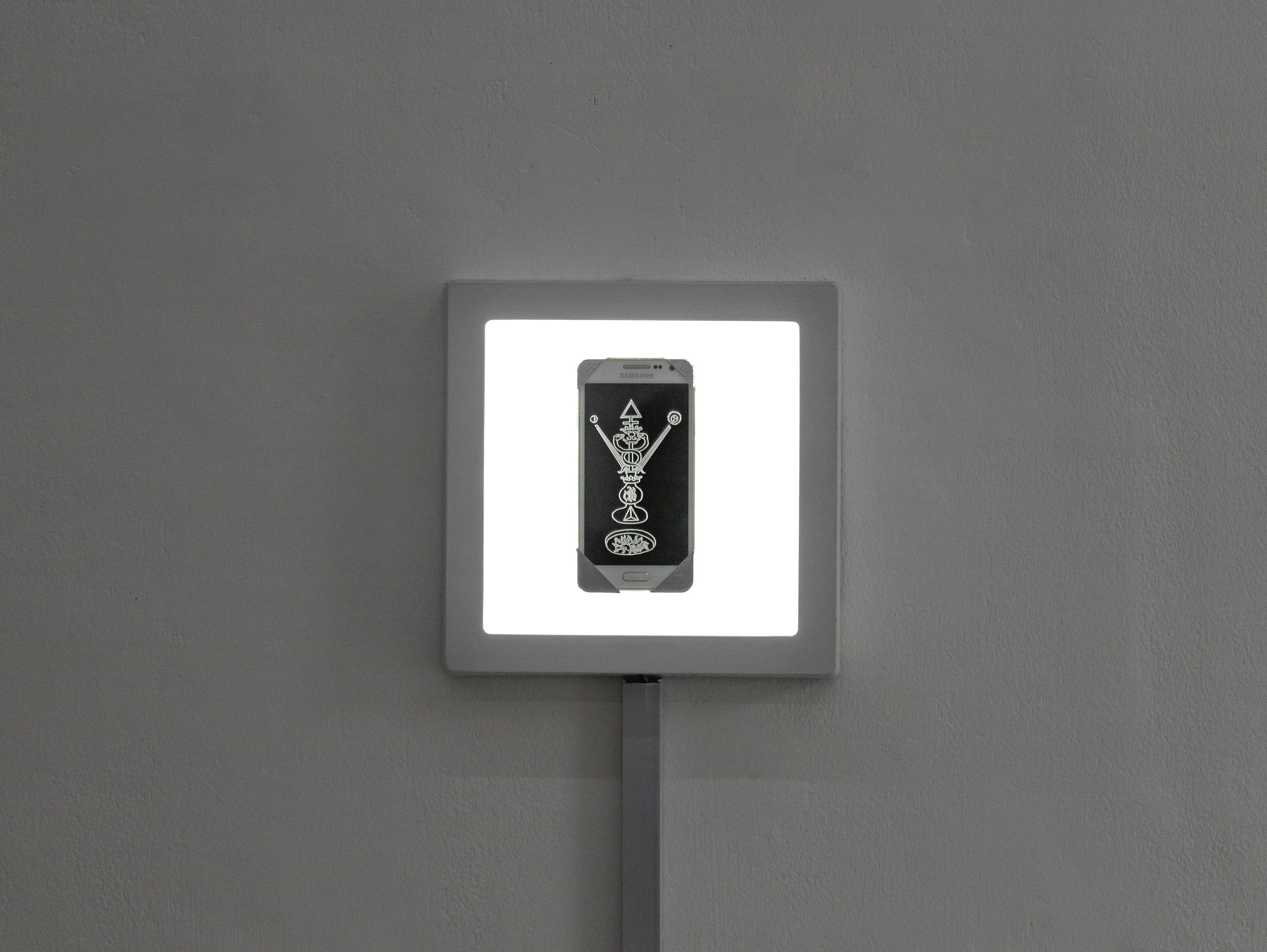
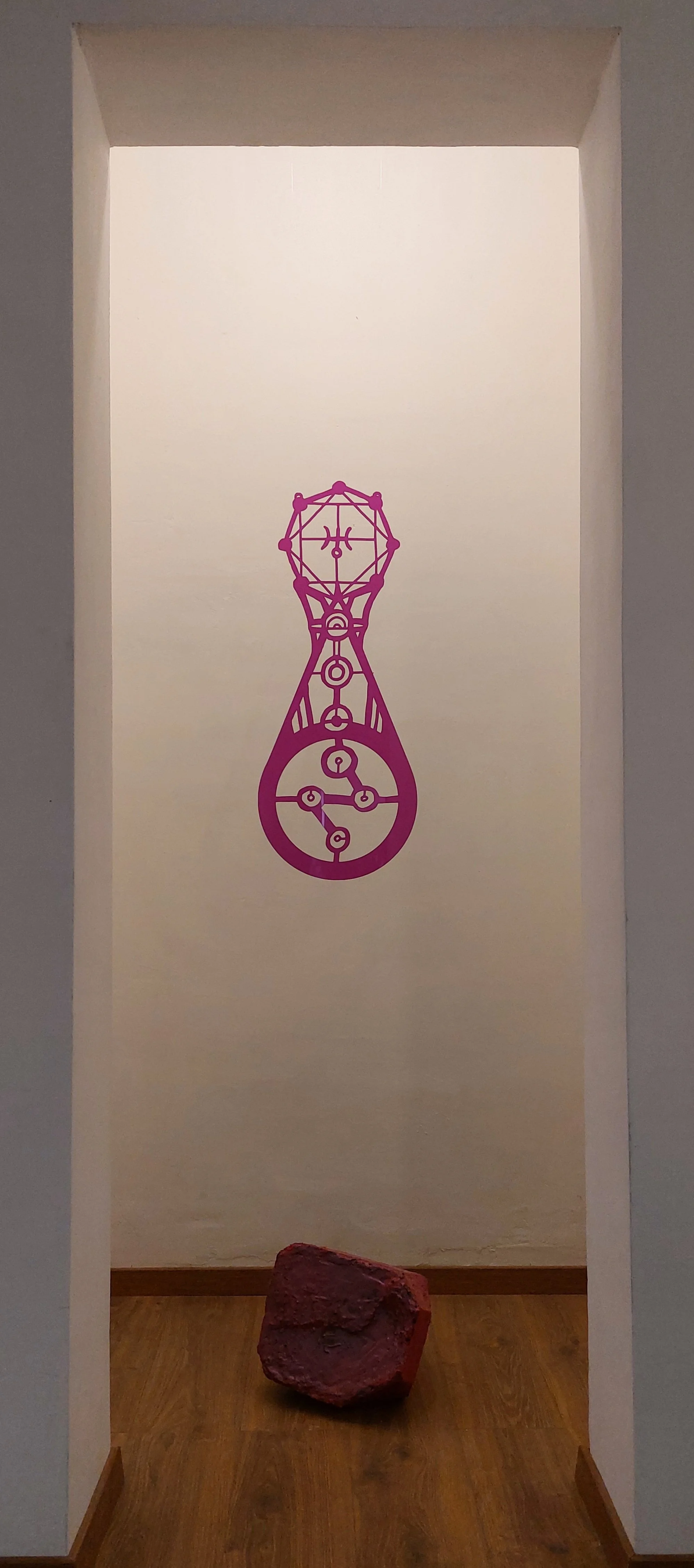
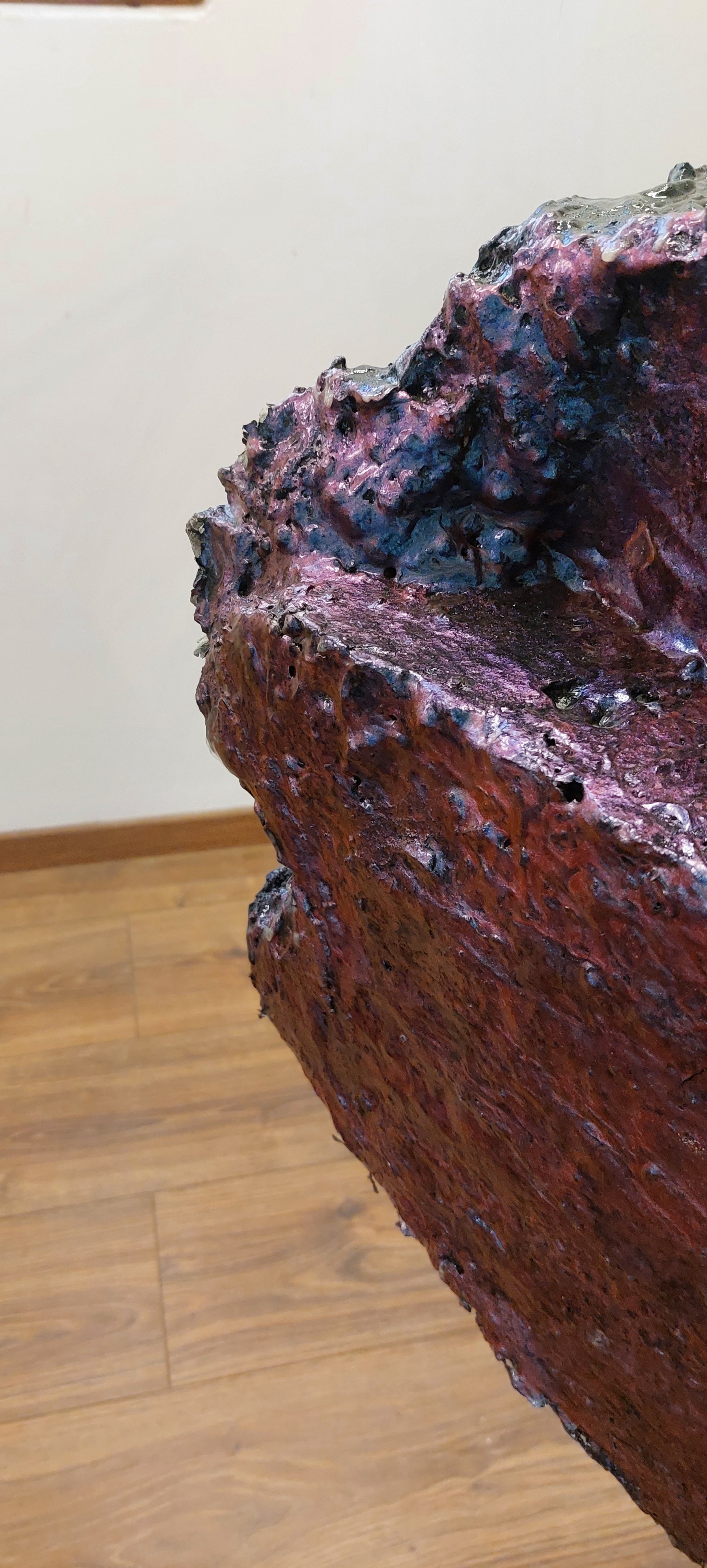
"(Re)colección” desmonta la fantasía de inmaterialidad que envuelve a las tecnologías digitales contemporáneas. A partir de una arqueología material, se rastrea y representa especulativamente el origen geológico de los dispositivos: litio, cobre, coltán y otros minerales que son extraídos del sur global mediante procesos mineros que evocan las dinámicas extractivas del colonialismo. Estas operaciones dejan tras de sí territorios arrasados, ríos contaminados y comunidades precarizadas. La investigación-creación busca revelar que la etérea "nube" digital reposa sobre infraestructuras macizas: servidores, granjas de datos y sistemas de refrigeración que devoran energía y agua. Frente a esta violencia estructural y a la lógica de la obsolescencia programada, emerge la figura del hackeo como práctica alquímica de resistencia. Intervenir los circuitos, reparar lo desechado, extender la vida útil de los artefactos: gestos mínimos que restituyen agencia a la materia y desafían el imperativo consumista, devolviendo densidad política a lo mineral. La instalación se apropia de la estética de los paneles de mineralogía y de las pulidas superficies de tiendas de tecnología de punta. La simbología ocultista y las rocas cristalizadas a partir de residuos tecnológicos y masas coloridas conviven en un clínico ambiente de muestrario/catálogo.
En.
"(Re)collection" dismantles the fantasy of immateriality that surrounds contemporary digital technologies. Through a material archaeology, it speculatively traces and represents the geological origin of devices: lithium, copper, coltan, and other minerals extracted from the global south through mining processes that evoke the extractive dynamics of colonialism. These operations leave behind ravaged territories, contaminated rivers, and precarious communities. The research-creation seeks to reveal that the ethereal digital "cloud" rests upon massive infrastructures: servers, data farms, and cooling systems that devour energy and water. Faced with this structural violence and the logic of planned obsolescence, the figure of hacking emerges as an alchemical practice of resistance. Intervening in circuits, repairing what has been discarded, extending the useful life of artifacts: minimal gestures that restore agency to matter and challenge the consumerist imperative, returning political density to the mineral. The installation appropriates the aesthetics of mineralogy display panels and the polished surfaces of cutting-edge technology stores. Occult symbolism and rocks crystallized from technological waste and colorful masses coexist within a clinical sample/catalog environment.



Fase 2: Ritual
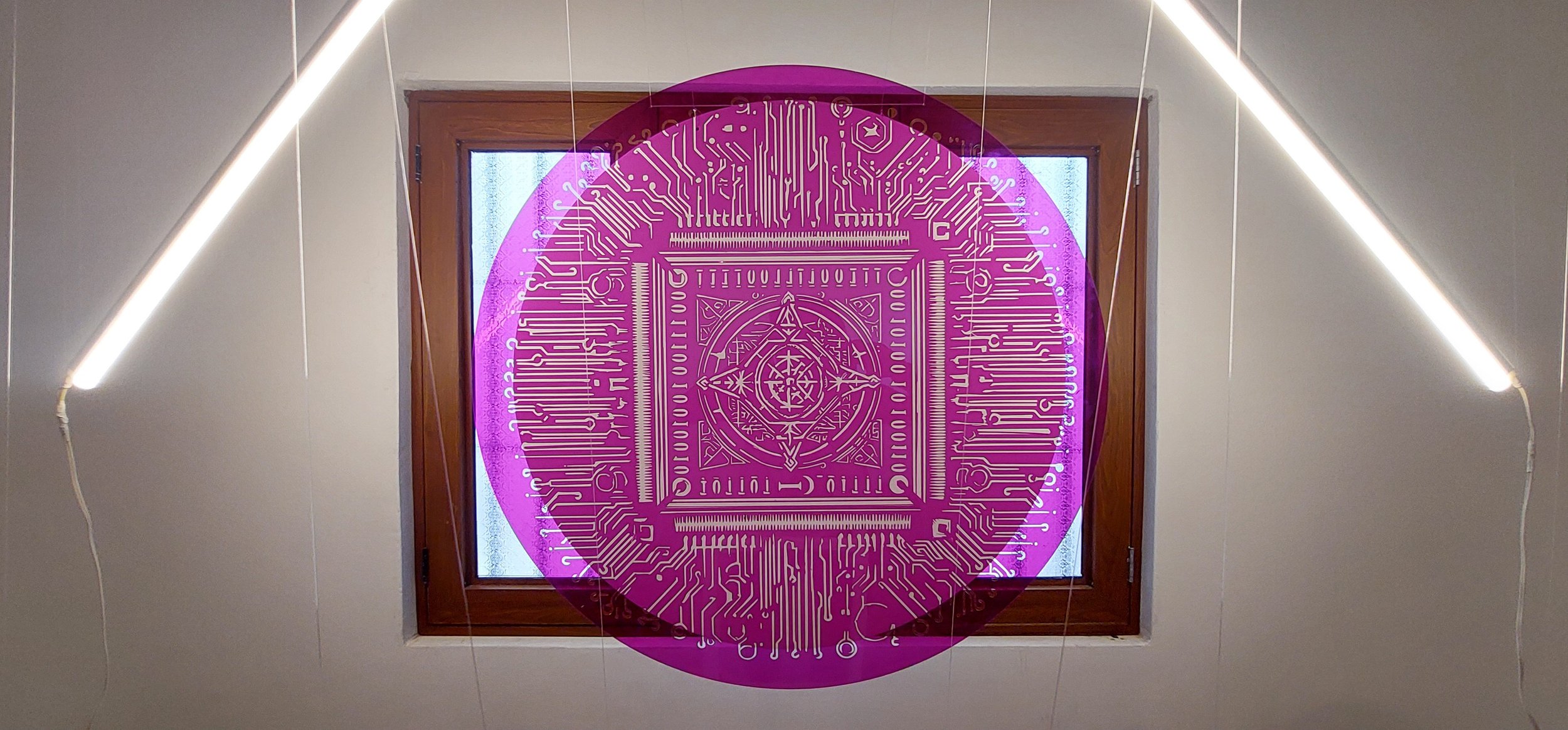
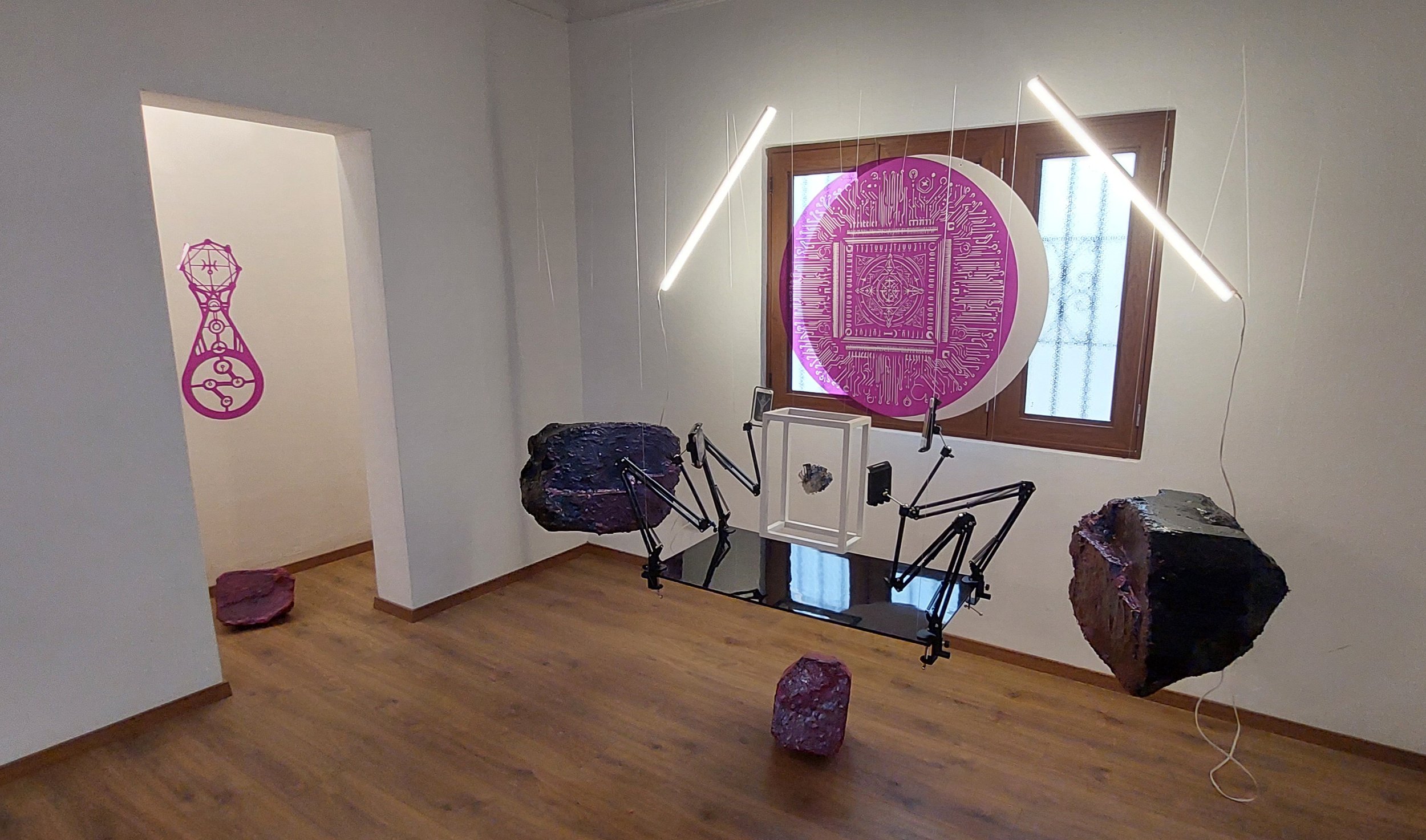
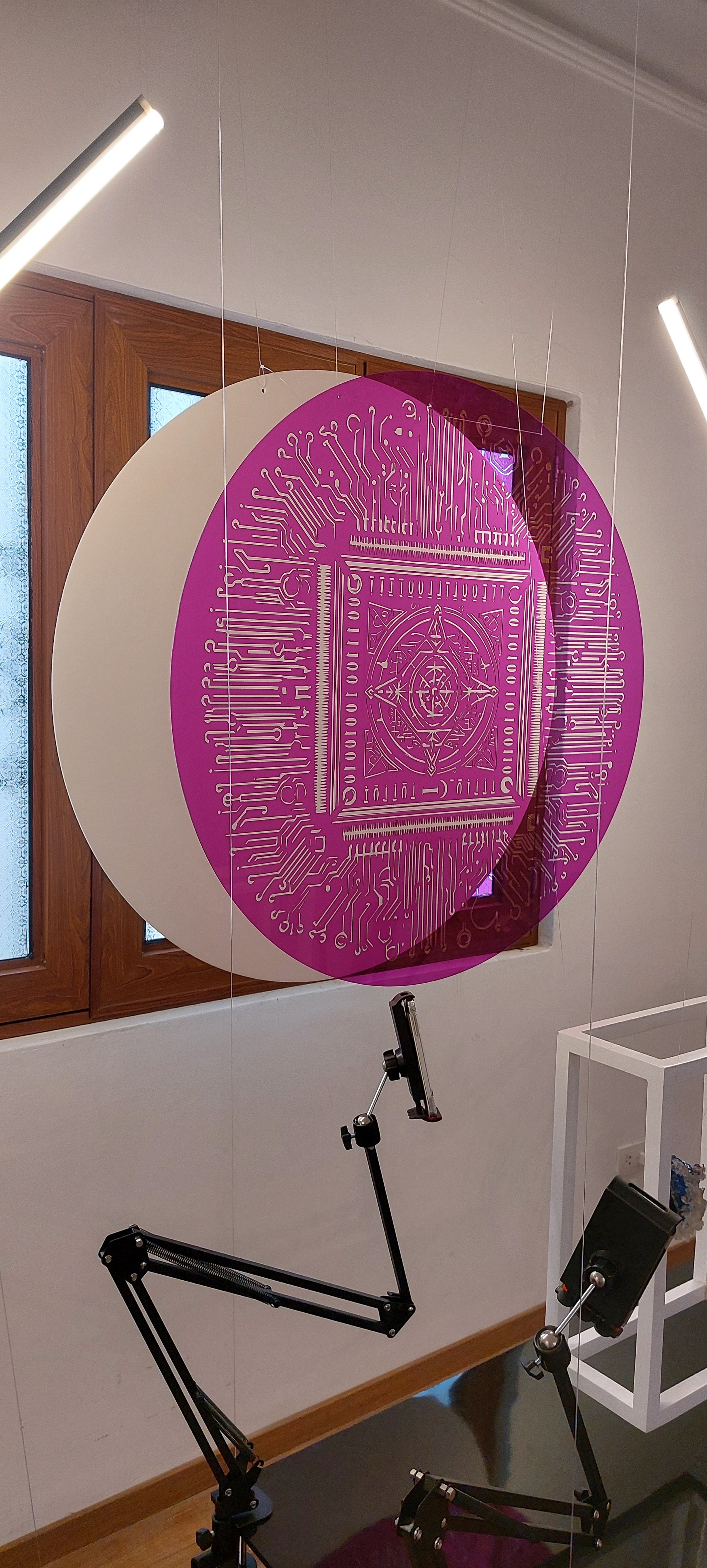
"Ritual" explora cómo las tecnologías, lejos de ser meros instrumentos fríos, requieren de ceremonias simbólicas para activar su potencia. Desde el telégrafo decimonónico hasta el cine, los artefactos técnicos han sido investidos de narrativas mágicas que desbordan su mera funcionalidad. Por ejemplo, las hermanas Fox, en 1848, codificaron los golpes de un "espíritu" utilizando el código morse, convirtiendo su cabaña en un telégrafo espectral. Más tarde, el fonógrafo fue imaginado como un inmortalizador de voces, capaz de conjurar a los muertos. La electricidad misma fue comprendida como un fuego etéreo, un desiderátum alquímico. En el siglo XX, la cultura psicodélica y los sintetizadores electrónicos crearon nuevos rituales de disolución del yo. Este carácter místico sónico de la extraña reunión de tecnología y magia alquímica (en tanto transformación de materia), tendrá mayor relevancia en la tercera fase. La tecnología no destruye el ritual: lo reconfigura, transformando actos irrepetibles en procesos reproducibles que siguen convocando lo sagrado. Algunos elementos escultóricos reaparecen transformados mientras que otros quedan atrás y emergen nuevos materiales y símbolos. En “Ritual” las rocas se abren y alumbran un altar velado por un rosetón calado a laser con motivos de una placa madre.
En.
"Ritual" explores how technologies, far from being mere cold instruments, require symbolic ceremonies to activate their power. From the nineteenth-century telegraph to cinema, technical artifacts have been invested with magical narratives that exceed their mere functionality. For example, the Fox sisters, in 1848, encoded the knocks of a "spirit" using Morse code, turning their cabin into a spectral telegraph. Later, the phonograph was imagined as an immortalizer of voices, capable of conjuring the dead. Electricity itself was understood as an ethereal fire, an alchemical desideratum. In the twentieth century, psychedelic culture and electronic synthesizers created new rituals of dissolution of the self. This sonic mystical character of the strange union of technology and alchemical magic (as transformation of matter) will have greater relevance in the third phase. Technology does not destroy ritual: it reconfigures it, transforming unrepeatable acts into reproducible processes that continue to summon the sacred. Some sculptural elements reappear transformed while others are left behind and new materials and symbols emerge. In "Ritual," rocks open up and reveal an altar veiled by a laser-cut rose window featuring motherboard motifs.






Fase 3: Invocación
"Invocación" examina cómo la potencia latente de la tecnología se actualiza en experiencias colectivas de trance y comunidad. En las raves de música electrónica, el DJ opera como un chamán contemporáneo: los beats hipnóticos, las frecuencias extremas y las visuales psicodélicas sincronizan cuerpos, suspenden el ego y abren estados alterados de conciencia. La tecnología aquí no es herramienta sino mediadora de lo sagrado, amplificada muchas veces por el uso de enteógenos que potencian la experiencia. En el contexto latinoamericano, esta invocación adquiere matices políticos más profundos. Aparece así la noción de cosmotécnica: una tecnodiversidad donde lo local y lo digital se fusionan sin jerarquías, abriendo caminos hacia futuros-otros donde la resistencia y el ritual danzan junto a los circuitos. El altar cede paso al tecnochaman para abrir las potencialidades de la roca convertida en hardware. Los símbolos ya no son alquimia histórica, sino que son stickers animados de Instagram e iconos de apps, líneas animadas y música a 150 bpm. La materia vibra y los cuerpos repercuten en una misa mediada por minerales invocando la carne en psy/trance.
En.
"Invocation" examines how the latent power of technology is actualized in collective experiences of trance and community. In electronic music raves, the DJ operates as a contemporary shaman: hypnotic beats, extreme frequencies, and psychedelic visuals synchronize bodies, suspend the ego, and open altered states of consciousness. Here, technology is not a tool but a mediator of the sacred, often amplified by the use of entheogens that enhance the experience. In the Latin American context, this invocation acquires deeper political nuances. Thus emerges the notion of cosmotechnics: a technodiversity where the local and the digital merge without hierarchies, opening paths toward other-futures where resistance and ritual dance alongside circuits. The altar gives way to the technoshaman to unlock the potentialities of the rock transformed into hardware. The symbols are no longer historical alchemy, but rather animated Instagram stickers and app icons, animated lines, and music at 150 bpm. Matter vibrates and bodies resonate in a mass mediated by minerals, invoking the flesh in psy/trance.
COMING SOON…